Victory: The Overcoming of an Enemy

If we claim that we’re free of sin, we’re only fooling ourselves. A claim like that is errant nonsense. On the other hand, if we admit our sins—make a clean breast of them—he won’t let us down; he’ll be true to himself. He’ll forgive our sins and purge us of all wrongdoing. If we claim that we’ve never sinned, we out-and-out contradict God—make a liar out of him. A claim like that only shows off our ignorance of God.
(1 John 1:8-10 The Message)


What is the main enemy of quiet? What robs us of a calm, unwavering faith?

 The psalmist warns,
 “If I had cherished iniquity in my heart,
the Lord would not have listened. ” (Psalm 66:18 ESV) 

Cherishing sin over  God makes for  very quiet, quiet time. If  sin prevents communication between us and God, then seeking reconciliation through confession and trusting God’s forgiveness is paramount.

It’s easier for me to focus on emotion filled praise sessions and passionate intercession, than quiet, simple confession of my weaknesses, my faults and my sin tendencies. 

Time after time I have read that confession heals, but do I practice this discipline? Not often enough. 

Today, I am going to share Pam Farrel’s ideas about dealing with our “dark sides.” She gives us some practical techniques and principles for victory:

To win a victory over the dark side [our weaknesses and our sin nature], we must be very deliberate. Make a list of weaknesses, then go to the Bible to find verses to equalize your life. 

Here’s an example from the book:

[Her] list of weaknesses included fear, feeling inadequate, feeling stupid, feeling overwhelmed . . . Next to each weakness she listed traits of God that can counter the weakness. For example, next to “stupid” she wrote “all-knowing mind of Christ.” Next to “overwhelmed” she wrote “able.” Next to “inadequate and spineless” (she was hard on herself) she wrote “adequate, strong, fortress.” By using a good concordance she located verses that included those key words. 

Pam offers this technique to deal with nagging guilt:

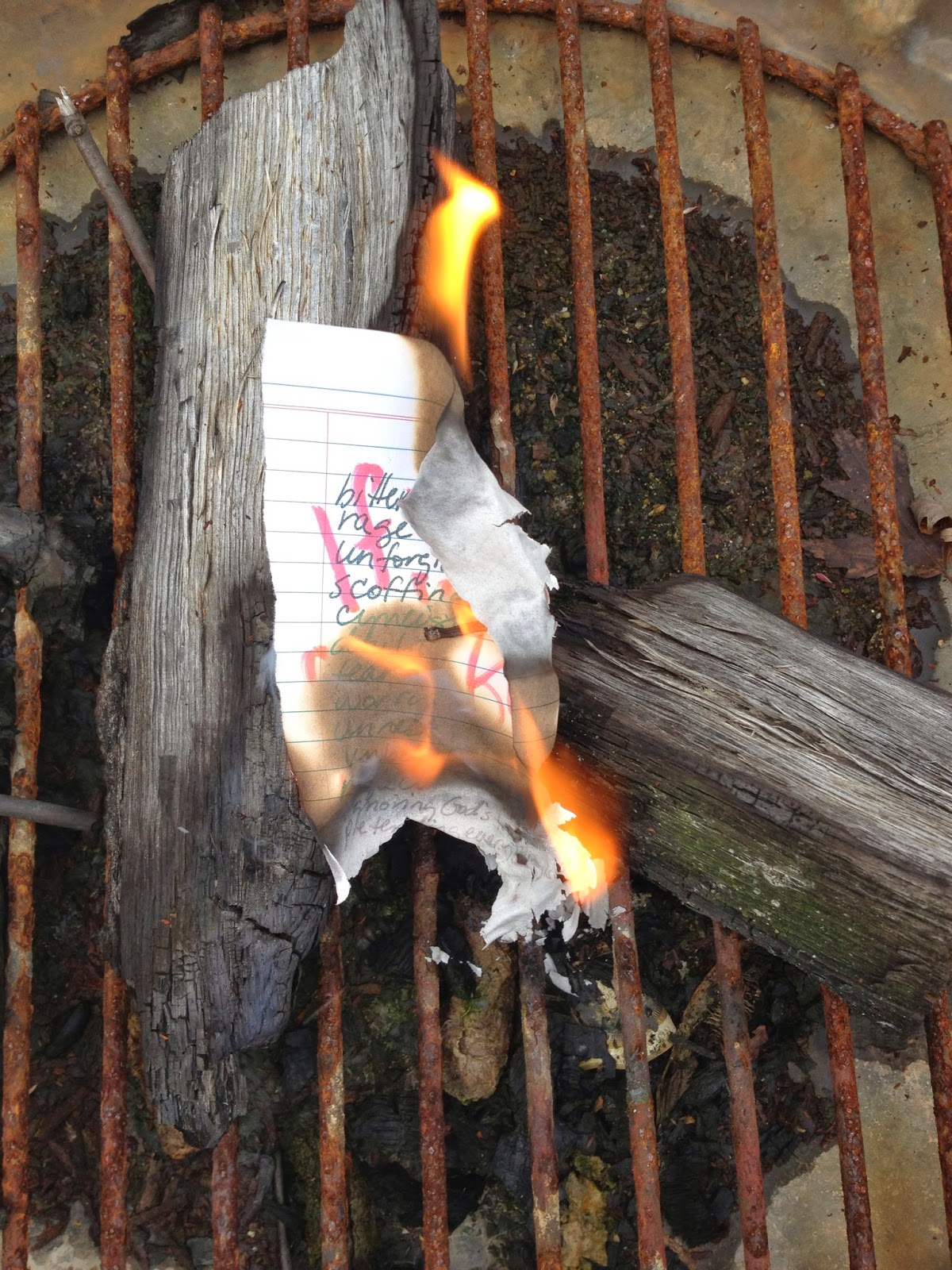
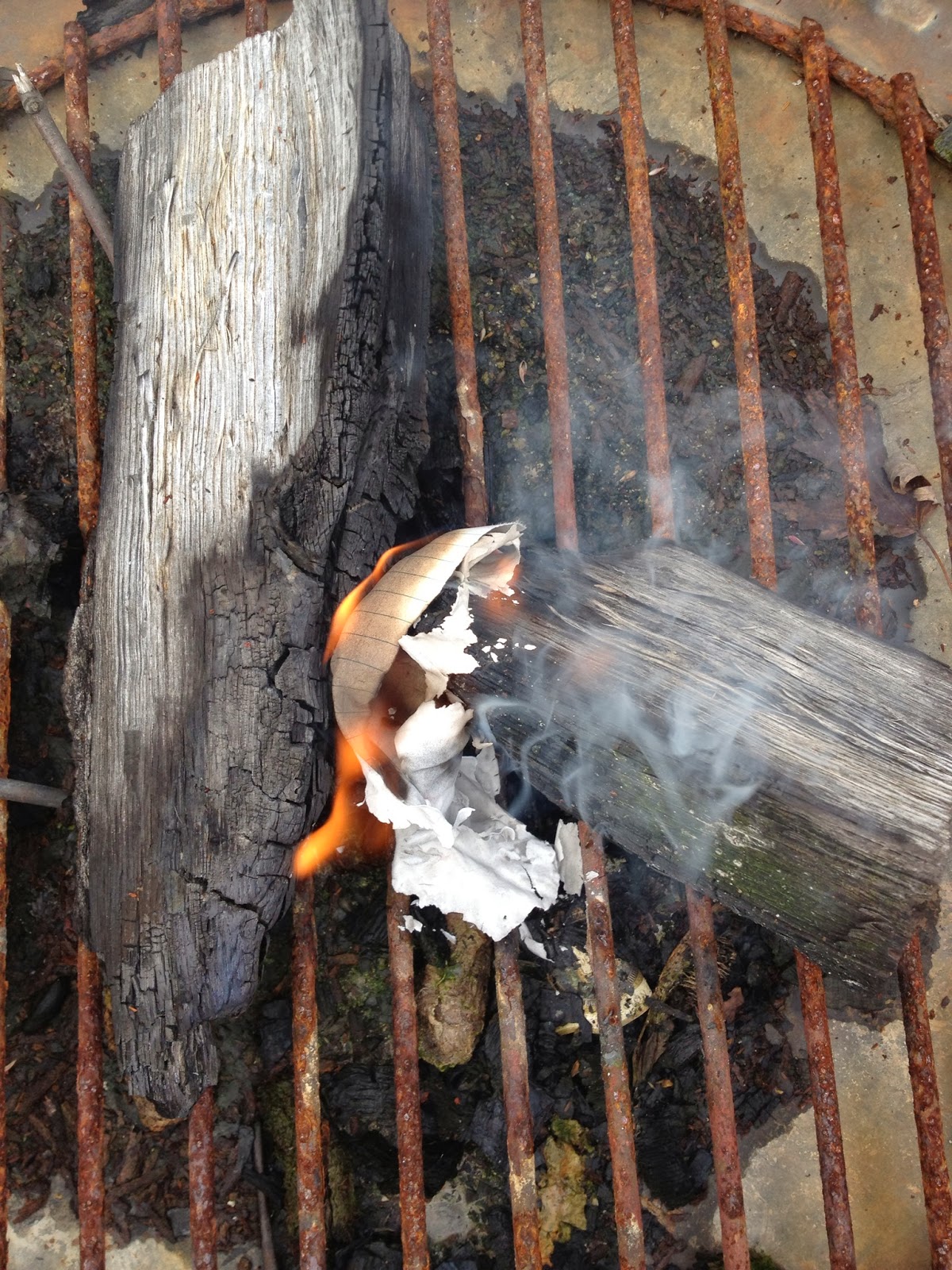
Write all those nagging sins down, then write the test of 1 John 1:9 over it–right over the top, ink over ink! This creates a picture of how God blots out sin. You may then want to destroy the list. (A fireplace can come in handy here.) It is such a relief to see that all our ugly thoughts and selfish actions are cremated by God’s powerful love.

©Pam Farrel from 30 Ways to Wake Up Your Quiet Time (IVP). For more devotional books by Pam http://www.Love-wise.com

It felt so freeing to see my sins covered by God’s word and then burned up by His “powerful love.”
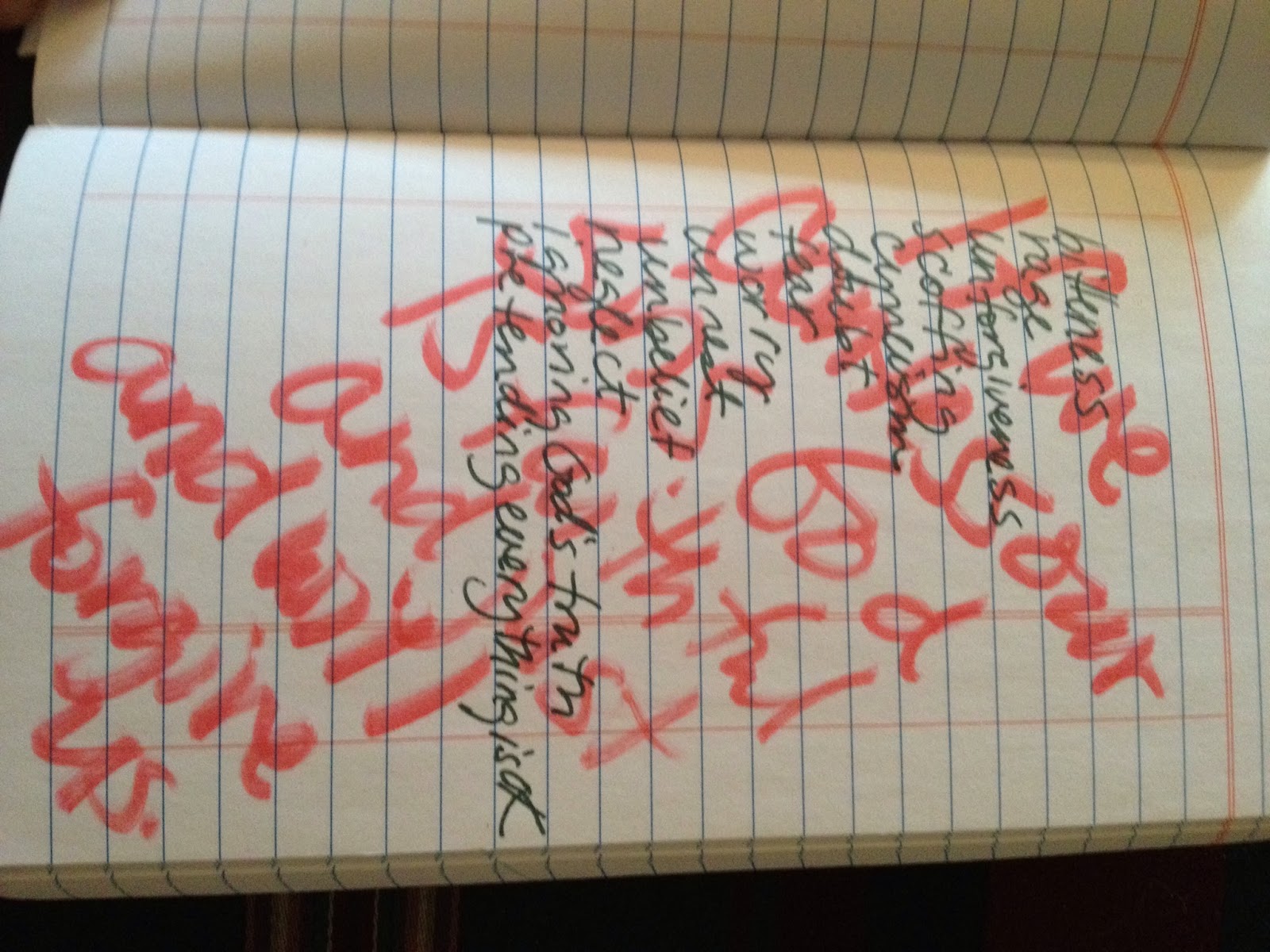
If you don’t have a concordance  to look up more victory verses, you can look up Scriptures online for free at www.biblegateway.com. Once you gather them, write them down to post around your house or in your car to help you to combat the darkness with the light saber of God’s love and forgiveness.

Which Scripture will you post to combat the darkness?



Stop: To Cease Activity


Cease striving and know that I am God.
(Psalm 46:10 NASB)
 
 
“Stop, in the name of love…
before you break my heart.”
(The Supremes)
 
 
When I was out running the other day, I saw a stop sign and the above lyrics started humming through my mind. God in His sweet way was asking me to stop sinning in my thought life, which inevitably seeps into my language and actions. To stop out of love for Him and because sin breaks His heart.
 
Once a month Dawn at Beneath the Surface: Breath of Faith and the Recovering Church Lady co-host, Random Journal Day, where we daringly pull a random journal off the shelf or pile and pick an entry to share with the group.

After reading a couple posts from this month, I made this connection between journaling and prayer: If you write prayers in a journal, you have a great resource for written prayers to glean insight from, as well as see how God has been transforming your life.
 
I pulled a journal from the summer of 2009. And the following confession made me feel vulnerable, but I wondered if others have had similar struggles and awareness. As I reread it, I recognized how much God has helped me overcome this recurring sin in my life.
 
Confession brings sin into the light. Once it is named, God gives me strength to move away from the sin, in order to stop operating under its influence. The ability to turn away from sin is a supernatural ceasing.
 
Here’s the confession, I came upon in my journal from August 2, 2009:
 
I admit that I do give my tongue free rein to say hurtful things–judgmental things. My tongue frames deceit– I lie about myself and make up motives for others. I wrongly accuse. I try to put words in their mouths. I confess that I justify my slander by thinking that I am evaluating or assessing or problem solving.
 
O God, guard my tongue. Let me be silent rather than foolishly harm others. Purify my heart and tongue. How can I praise you one moment and tear down those you love the next. I am wretched.
 
Forgive me, most of all, for believing or thinking that You, the Most High and Holy One could even think or evaluate others the way I do. Let me worship you in holiness. Keep my lips from sinning.
 
Thank you for not remaining silent, O God Most High. Thank you for speaking to me about my tongue. For rebuking me in love. I accept the charges. I am guilty of slander, lies and wickedness in my heart, words and actions. Help me to think more highly of your beloved children.
 
Instead of slander, I offer praise, accolades, value and welcome. Why do I slander others? Because I doubt my own value. I want to keep the focus off my own shortcomings. I want to feel superior.
 
Father God, forgive me . . .
 
It is a rough thing to look into the mirror and see my grisly face, but it is also a beautiful thing because then our Gentle Healer can wipe away the debris and clean the wounds and bind us up with His mercy.
 
 
What kind of prayers do you write in your journal? Do you think written prayer is necessary or useful? Why or why not?


Linking up with Random Journal Day


How to Pray for an Hour

“It rinses the soul, prayer does.”
Paul Mariani


I love to delve into the topic of prayer. Being in a prayer group has helped me grow more in love with God. I have asked Jesus to teach me to pray and I have taught others about prayer. But actually praying on my own takes discipline.

I know that prayer is talking with God, but it helps me to have a pattern to follow, kind of like the ACTS format, I shared last Saturday.

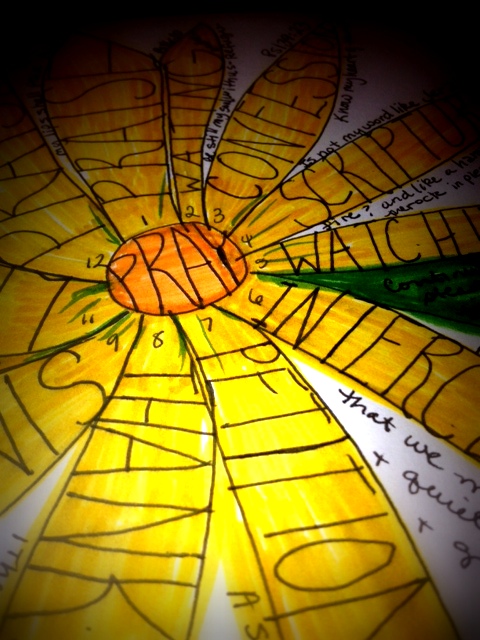
Recently, I found a classic book on the topic of prayer: The Hour That Changes the World by Dick Eastman. He recommends twelve areas to pray over…5 minutes for each type of prayer, which adds up to an hour of prayer.

He starts and ends his hour with Praise. Then in between, he Waits on God, just letting God’s love sink into his soul. Which leads to Confession, admitting his faults and sins to God. He prays through a Scripture. He Watches for the Spirit’s next initiative in the prayer time.

Following this preparatory time, he then feels ready to tackle Intercession (requests for others) and Petition (requests for yourself).

Before returning to Praise, he enters God’s gates with Thanksgiving and Singing. In the last minutes, he quietly enters into Meditation and Listening, which leads him back to praising God.

It seems like a huge assignment, but I have found it helpful to write, draw and color, while I move from each segment. Of course, sometimes I land on one topic more than another.

Or if an hour seems like too huge of a place to begin, try focusing on each category for a minute.

I usually have my Bible open and look for a Scripture to guide the conversation. Psalms are great poems for praising God and getting to know Him better.


Linking up with: