Thrilling Guest Thursday: Lynn D. Morrissey


O death, where is thy sting? O grave, where is thy victory?
(1 Corinthians 15:55 KJV)

What greater tribute can a child give their parent than heartfelt words penned to celebrate the parent’s life and mourn his absence. Lynn, in her eloquent voice, does just this as she remembers her daddy.

<!–[if supportFields]> SEQ CHAPTER \h \r 1<![endif]–><!–[if supportFields]><![endif]–>Nearly six years ago, while my beloved father relinquished his mortal coil, God released his soul like a shooting star, arc-ing right through the galaxies straight to His heart. After a six-month odyssey of agony, a living death, Daddy was blessedly transformed—that quickly, that effortlessly, that mysteriously—in a breathtaking nanosecond, in the twinkling of an eye. Absent from the body, present with the Lord—absent from withering flesh to wondering felicity, from careworn burdens to contented bliss, from dark-glass knowing to face-to-face intimacy with the God he loved.
                                                           
Oh, without question, I was relieved that my father no longer suffered. After a treacherous fall that broke his neck, mercifully sans paralysis, my father lay tethered to a hospital bed by a tangle of tubes and needles, a plethora of pain and indignity. He suffered more than anyone I’ve ever known. And in ways impossible to convey, we suffered with him. We agonized over all he endured.
So how could I have possibly wanted that to continue? No, I was relieved that his suffering was over.
And yet, to let him go was excruciating. How could I let go the man I’d loved my whole life, my larger-than-life hero? How could I let go his bear-hug embrace, his mammoth hands that encompassed mine or playfully crushed the hands of my would-be suitors, his beautiful basso-profundo voice, his hardy laughter, impish humor and twinkling ice-blue eyes, his constant, but good-natured prodding: “Lynn, what are you writing today?”
People offered sincere comfort: “He’s no longer suffering. He’s in a better place. He’s with the Lord.” Yes, I knew that, and yes, I was comforted, but Daddy wasn’t with me, and I grieved his loss, his tangible, physical presence, his warmth, his strength. Someone encouraged, “But you’ll be with him soon.” I knew he meant well, but soon? If I lived a normal life span, I would live without my father for at least another twenty years.
Death had torn my father away, and it was tearing me apart. Death was never meant to be, and this ripping of body from soul was unnatural. It was not what God had originally intended. So despite that I could rejoice that my father was in heaven, I still longed for him here on earth. I missed him body and soul, missed all of him, all that he was.
Ten days after Daddy died, I attended a journaling retreat, where, ironically, I couldn’t journal about him. God had always used journaling as a means of deep catharsis in my life, but after grieving in writing for six months during my father’s prolonged hospitalization, I had nothing left to say. Looking back, I realize that God was protecting me. My grief was so cavernous, that had I spilled my soul into a blank journal, I would never have been able to stop writing. I would have plummeted into a grief gorge, unable to grope my way out.
But God knew that I still needed a way to release my pain. One day, without conscious thought, I started to scratch words on a tablet—words that I hadn’t intended to write, words about my father’s physical being, the actual man I missed so much. Without initially realizing it, I was writing a poem, a much smaller container to house my grief, a far more manageable vessel for holding despair. God used this amazingly simple form of writing as an important first step in a monumental healing process.
To Christians reading this post, I remind you that I know my father’s soul is absent from the grave. His true essence is with the Lord. And yet, God made us body and soul, and when we grieve it’s important not to disregard our incalculable loss of an actual, physical person. This is the sentiment I tried to convey in “The Box.”
Oh how I long for the day when God will reunite Daddy’s body and soul in the reality of resurrection. God promises that my father will live whole in His presence, in the new heaven and the new earth. And I long for that day, when I will join my Father and my father, never to be separated.
If you are experiencing a grief too deep to bear, despair that threatens to overwhelm, might you pick up your pen and write some small, one-line descriptions and remembrances of the person you loved so well? Write a short poem or psalm of lament. Let your pen lance your wound. Let your words heal your heart.
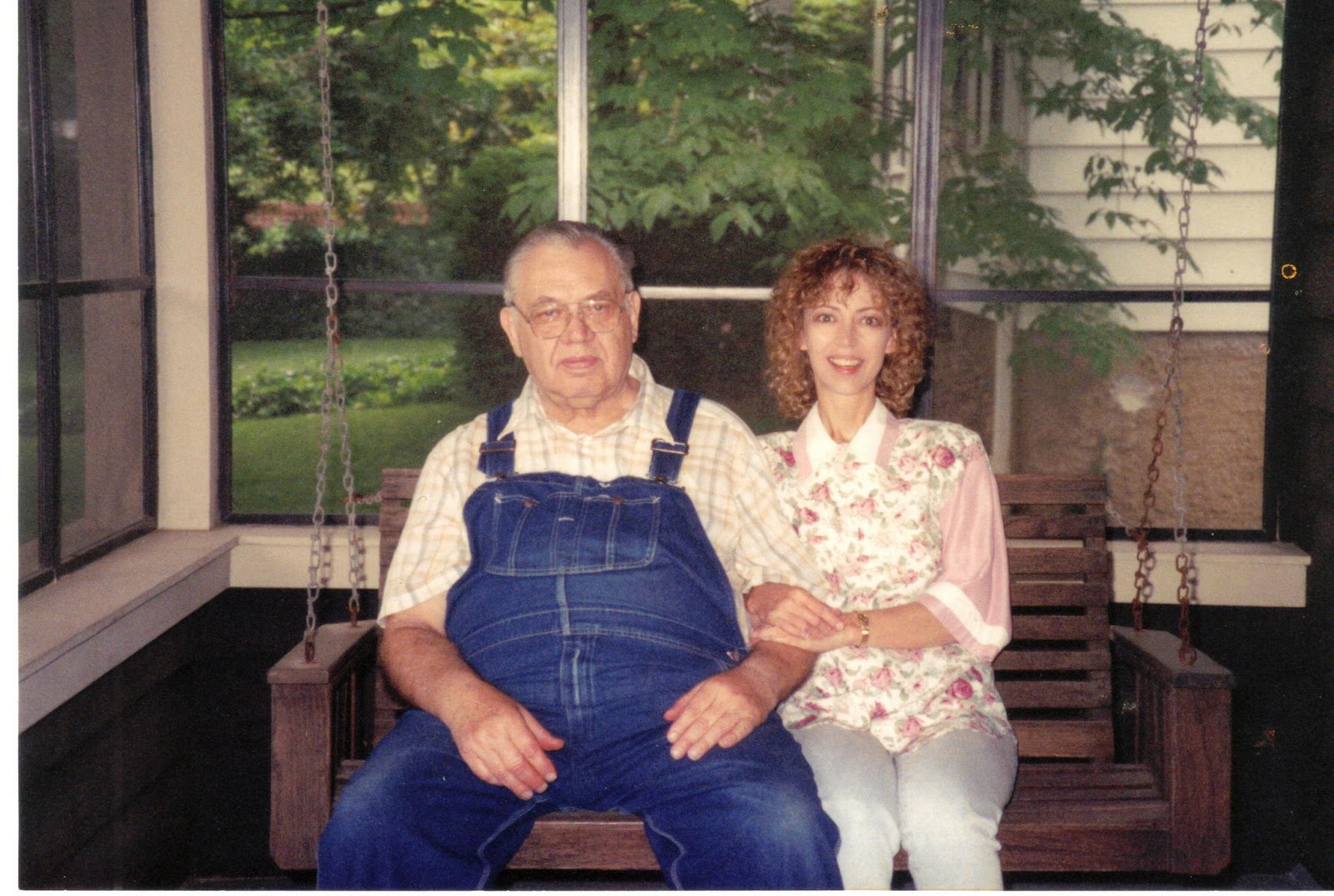


Lynn with her father, Bill Morrissey


The Box
For Daddy
Your favorite plaid shirt—well-worn, softened squares of red and blue—
was torn clean through at mid-sleeve,
and frayed—terribly frayed—where your angular elbows, roughened,
yet softened with time, thrust through.
Your dark denim overalls, homey, capacious,
deliciously splattered with rays of white paint,
like a midnight sky spattered with sprays of bright stars,
were your second skin.
Your big, black shoes (size thirteen)—you called them boats!—
anchored your once-six-foot frame to earth,
as you lumbered cumbersomely along,
your cold-steel cane flanking you, too.
You were no fashion plate.
But you had a beautiful box:
polished mahogany, smooth as silk,
filled with milk-white clouds and satin puffs,
stuffed like an elegant jewel case and adorned
with bright-brass Pieta replicas and shining panels of Lord’s-Supper reliefs.
I ran my hand along its handles, along its glistening, beveled edges,
reverently reveling in its richness,
gripping its resplendence.
And now, in grief,
in throat-stripping weeping,
we must grip ourselves.
We place our priceless treasure in the box,
carefully, oh so carefully.
We fluff the clouds, smooth the satin folds,
arrange your body like one arranges fragile flowers,
then close the lid.
And we lock it tight against the night.
We lock it hard for holding,
secure for safe, safe keeping.  


2013 Copyright. All Rights Reserved. Lynn D. Morrissey



Lynn D. Morrissey, is a Certified Journal Facilitator (CJF), founder of Heartsight Journaling, a ministry for reflective journal-writing, author of Love Letters to God: Deeper Intimacy through Written Prayer and other books, contributor to numerous bestsellers, an AWSA and CLASS speaker, and professional soloist. She and her beloved husband, Michael, have been married since 1975 and have a college-age daughter, Sheridan. They live in St. Louis, Missouri.

You may contact Lynn at words@brick.net.

Please feel free leave your comments for Lynn on this post.

Thrilling Guest Thursday: Lynn Morrissey

 
You’re blessed when you feel you’ve lost what is most dear to you. Only then can you be embraced by the One most dear to you. (Matthew 5:4 The Message)


Death springs forth often unexpectedly, yet through Christ, death has lost it’s sting. Today, I have invited Lynn D. Morrissey to share how she uses writing poetry as a means to honor a loved one who has passed on from this life.  As I comtemplated her poem, I not only thought of grieving over a person, but also sorrowing over any loss, including seasons of life. Lynn opens with an introduction to her writing process and then we have her poem.  (Kel)

Here’s Lynn:

When loved ones die, we long to remember—to remember the sheen of her hair and the shine of her eyes, the sway of his gait and the sound of his voice, the lilt of their laughter and the lyrics of their heart.

We think we’ll never forget, but we do. Cherished memories recede like haunting echoes of a faraway loon, like sepia photographs fading with time …

We need a way to remember—to indelibly stamp our beloved’s heart-print onto our own so that we might never forget. And one sure way is with ink, in words. Writing traces whorls and swirls of our soul into patterns of permanence. Writing remembers. Writing honors. Memories penned say, You lived and loved. You laughed and lamented. You mingled and mattered. Scribed remembrances bottle the fragrance, the feelings, the fellowship of relationships that once were, and now always can remain, stored in the heart.

I penned this poem in memory of a friend’s mother upon the first anniversary of her passing. I offered it to him, with love, as a way to say, I honor her, and in so doing, I honor you. Roses were her favorite flower. Surely, their summer fragrance evokes for my friend his mother’s memory now, even in the winter of his grief. Hopefully, too, my words etch her essence, making her soul visible, and remind him of the presence and purposes of the invisible God in life and in death.

                                                                        
Might you consider composing a “roses of remembrance” poem honoring someone you miss or as a gift for someone who has lost a loved one? One form of poetry which is especially meaningful is an alpha poem (abecedarian), which uses a person’s name in bold lettering as a vertical acrostic around which to wrap the body of the poem. I have done this numerous times, and had the poems framed as a special gift. They are always received with emotion and gratitude. You could do the same and offer special comfort to those who need it.

Roses of Remembrance

 
“God gave us memory so that we might have roses in December.” —Barrie


A year has come and gone,

commemorated with parading autumnal suns
(and those of winter, spring, and summer),
marking the march of unstoppable days.

The spray of crimson roses, long-since frayed atop her stone,

has fleetly decayed like a tatterdemalion scattering of tears, petaling her grave—
vanished, unsettingly, sans trace.

Why must roses languish and die?

Why must their grace, their velvetine voluptuousness
corrupt,
giving sway to decline,
as day gives way to night,
laughter to tears,
melismas to silence?
Why must that which can but delight
take flight like a sudden exultation of larks
beating rapturous wings into darkness,
then disappear?

Why can’t roses endure in Edenic purity—

vivid, redolent, regal in unequaled beauty?
Why must evanescence quell such magnificent efflorescence?

Why?

There is no answer but to question, How?


How to live in light of all deaths, little and large,

in light of what we cannot fully comprehend,
but have no choice but to accept?
How to face all endings, their unequivocal inevitability?
How to grasp what eludes, preserve what won’t last?
What’s our charge?

To live largely, lavishly,

cultivating God’s flowers
and souls and hours and minutes minutely,
with open eyes and open arms,
relishing each one,
distilling them to their core,
and when they’re no more . . .
gathering roses of remembrance
—fragrant with love, past; perfuming life, present—
emblems of what never dies: the rose’s essence.

God prunes the bush with death’s sharp shears,

so that there might inevitably be a heavenly, beatific blossoming,
so that Eden might flourish anew,
eternally …

(Copyright 2013. All Rights Reserved. Lynn D. Morrissey)

Lynn D. Morrissey, is a Certified Journal Facilitator (CJF), founder of Heartsight Journaling, a ministry for reflective journal-writing, author of Love Letters to God: Deeper Intimacy through Written Prayer and other books, contributor to numerous bestsellers, an AWSA and CLASS speaker, and professional soloist. She and her beloved husband, Michael, have been married since 1975 and have a college-age daughter, Sheridan. They live in St. Louis, Missouri.
You may contact Lynn at words@brick.net.
Please feel free to comment to Lynn on this post, as she will be checking comments. We appreciate feedback and your responses to her work.

Jumping Tandem Dreams from Lynn Morrissey {Guest Post}

For nothing will be impossible with God.
(Luke 1:37 ESV)
 
 
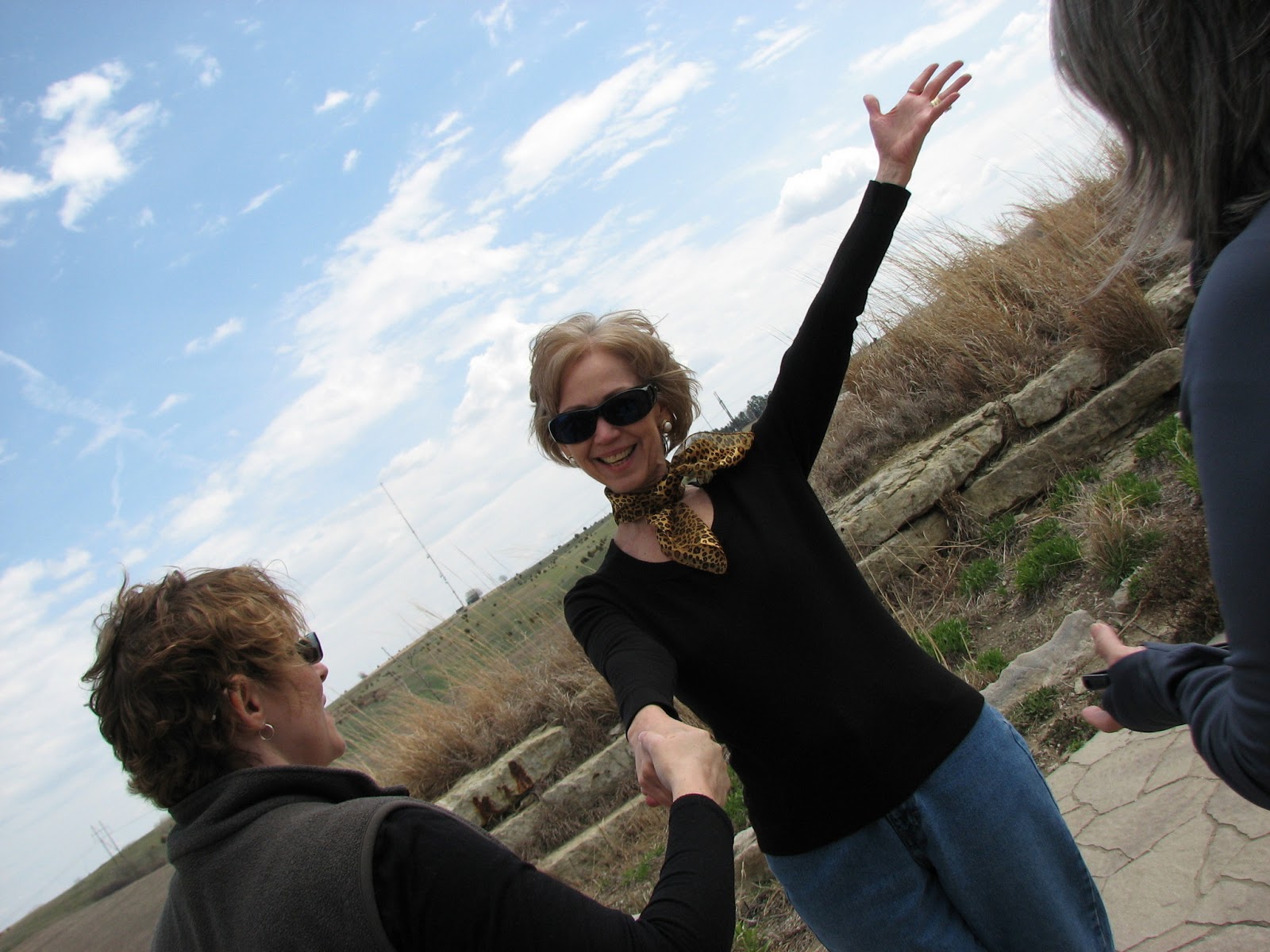
The Jumping Tandemretreat—the one all about seemingly impossible dreams—was a dream come true. Imet women I’ve longed to meet, whose faces I’ve only seen and whose hearts I’veonly known, as they bare them generously on the screen, across time and spaceand cybermiles. But actually to meet them in person, to converse tête-a-tête,heart-to-heart, soul to soul, was breathtaking. What transpired in Ashland,Nebraska in the rich workshops, the shared meals, the walks and talks, prayersand commitments, laughter and tears, gleanings and healings, and always the embraces, irrevocably changedus, like wine poured through water. Each dreamer’s heart was indelibly coloredby His Spirit and the dream He alone has infused there. Using the acrostic, JUMPINGTANDEM DREAMS, I share this alpha poem, hopefully to capture what it means todare to dream His dream for you.Never give up. It’s impossible to stop dreaming His dreams, because with Him, all things are possible!

Just when I think there is not one dream left to dream, I come to
Understand that dreams aren’t mostly about me, but the Dream
Maker. When God
Puts a dream in your heart, whether He
Iniates it with a gentle
Nudge or catapults it with a
Gargantuan push, the question is whether I will jump in His

Timing, engage in His
Activity, and revel in the
Nuances that define His
Dream for me. If it’s just mydream, it will be
Endangered. It will die in the self-
Made idol factory of my heart, where other

Dreams have been forged, and then have
fragmented.
Real dreams, God-designed dreams, are inspired by Him and
Emerge like butterflies from the
Atrophied chrysalides of our human hearts. God’s dreams always
Mount on wings and soar on the breath of His Spirit. They
Soar with His purpose and passion, with pleasure and promise …

(Copyright 2013. All Rights Reserved. Lynn D. Morrissey)
Lynn D. Morrissey, is a Certified Journal Facilitator (CJF), founder of Heartsight Journaling, a ministry for reflective journal-writing, author of Love Letters to God: Deeper Intimacy through Written Prayer and other books, contributor to numerous bestsellers, an AWSA and CLASS speaker, and professional soloist. She and her beloved husband, Michael, have been married since 1975 and have a college-age daughter, Sheridan. They live in St. Louis, Missouri.
You may contact Lynn at words@brick.net.
Please feel to comment on this post, as she will be checking comments. As all writers do, she appreciates feedback and your responses to her work.


Communion: Intimate Fellowship and Rapport


How good and pleasant it is
when God’s people live together in unity!
(Psalm 133:1 NIV)


I am still unpacking from the weekend, not my suitcase, but the gifts of love and encouragement that were shared between sisters and brothers, who grasp God and want others to experience His love in rich and deep and wide reaching ways.
 
I want to tell you all about it. How wonderful the retreat center was that offered us the best. The hospitality of the Jumping Tandem retreat coordinators and dreamers and courage speakers, who dreamed for and with us. Each one graciously demonstrating dependence on the biggest Dreamer of all.
 
How the love of Christ flowed over us moment by moment with each encounter . . .  in the worship sessions, in the workshops, in the wandering around the wide open spaces surrounding the conference center.
 
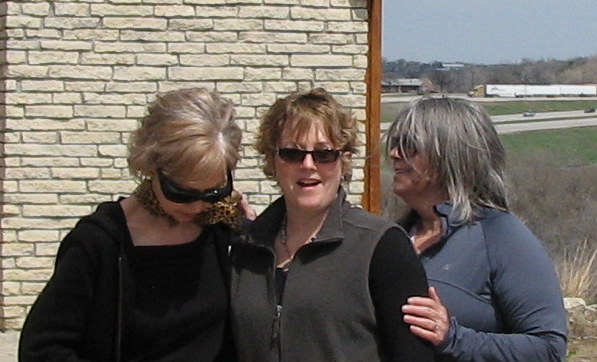
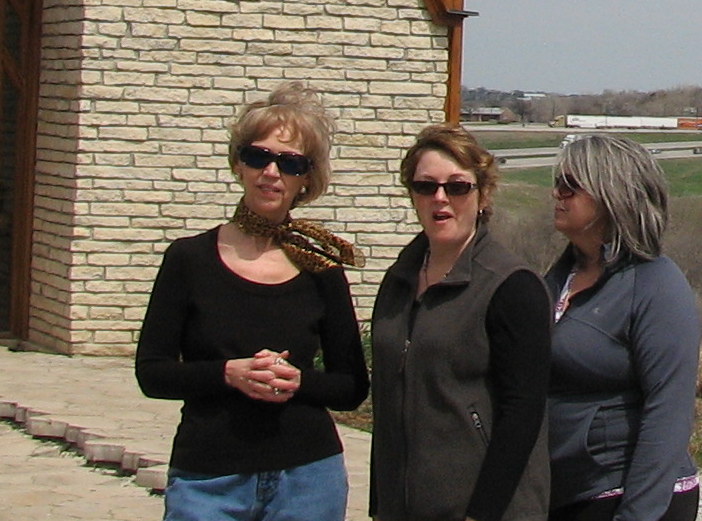
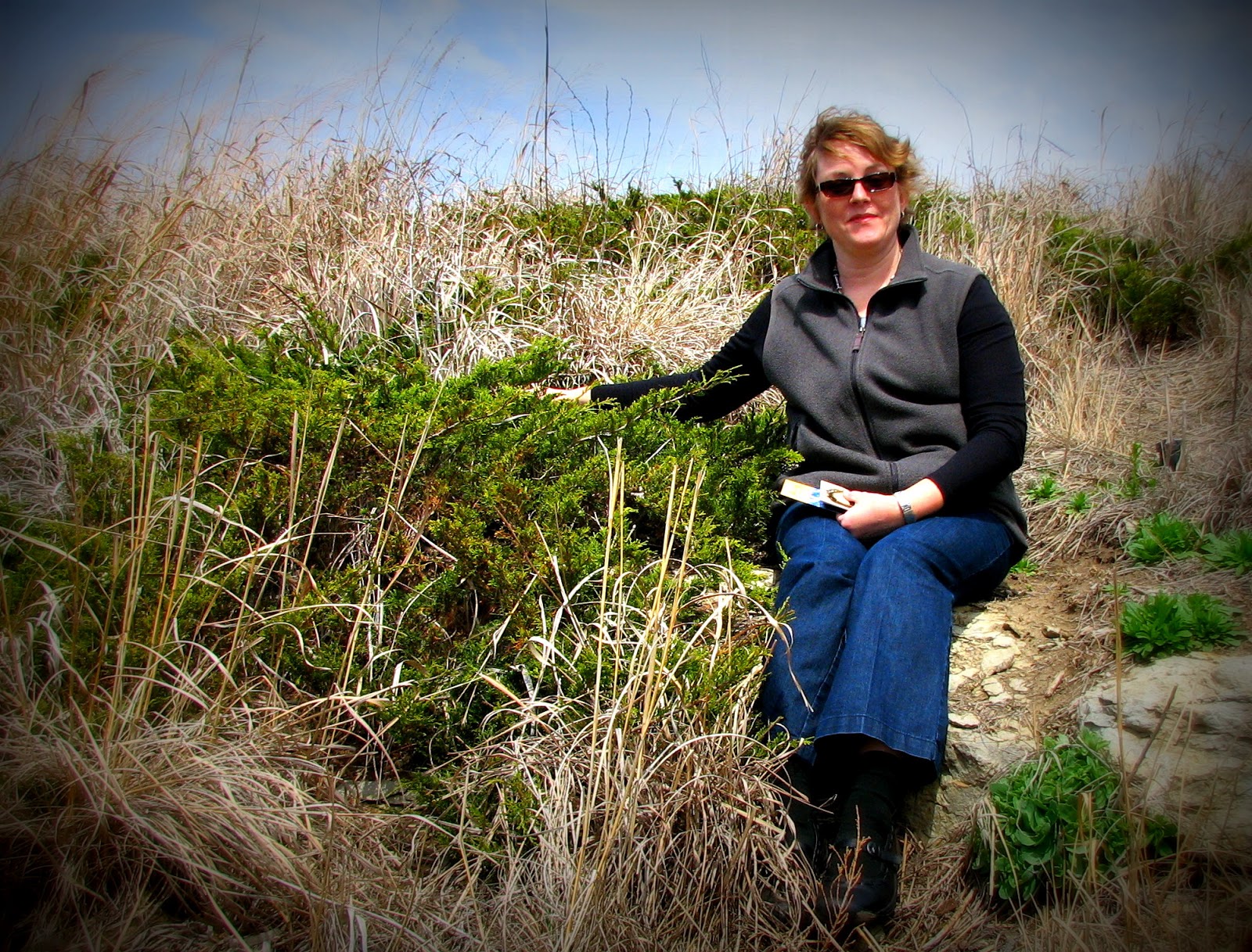
But most of all  love poured out through the intimate conversations around the table, in the foyer, with my roommate (my sister, Gillian) and fellow travelling companions (Kelly and Lynni) and the other dreamers in Christ, who have similiar, yet different stories that point to the redeeming love and safe haven, we each find in knowing God and loving God.
 
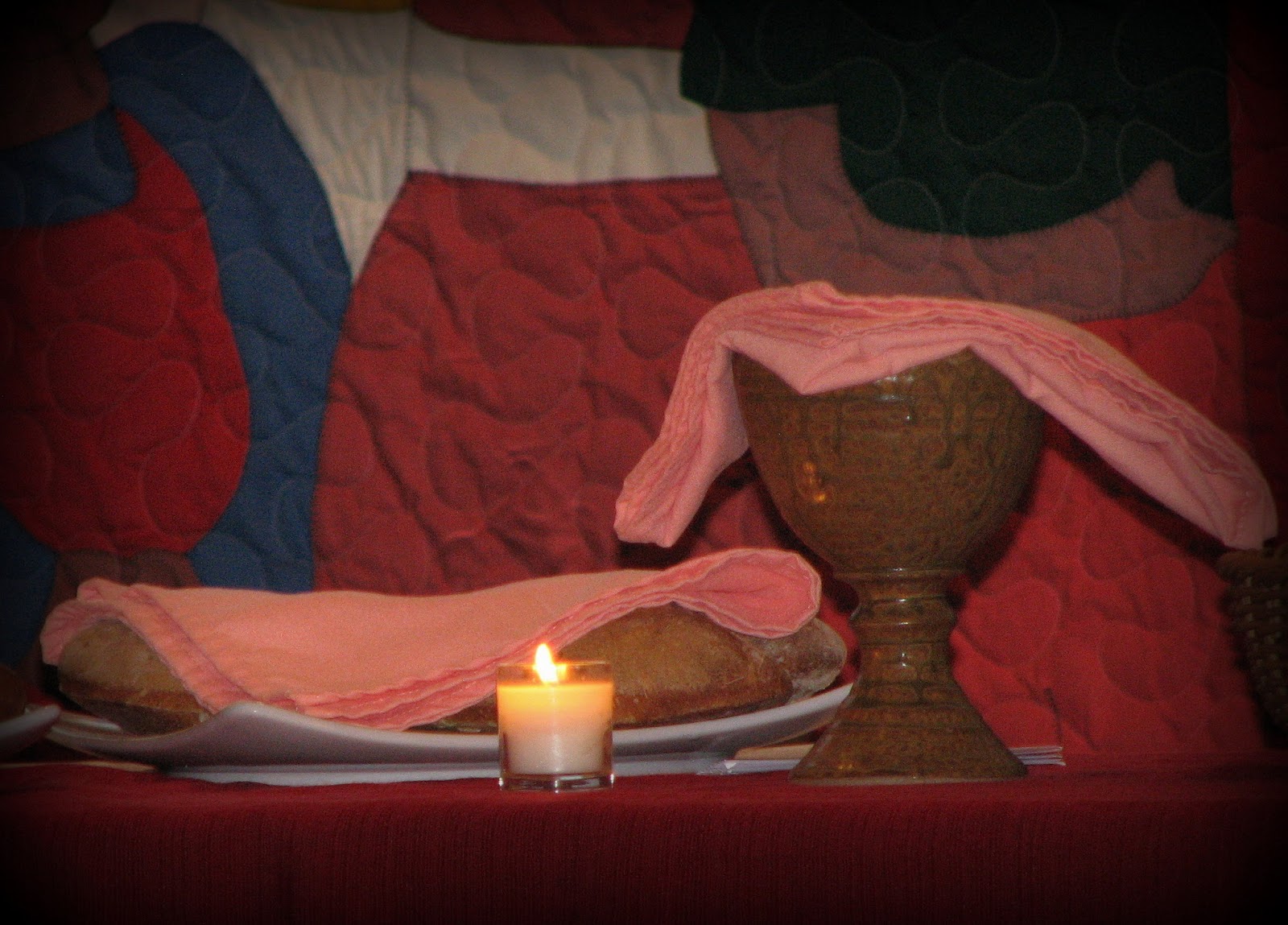
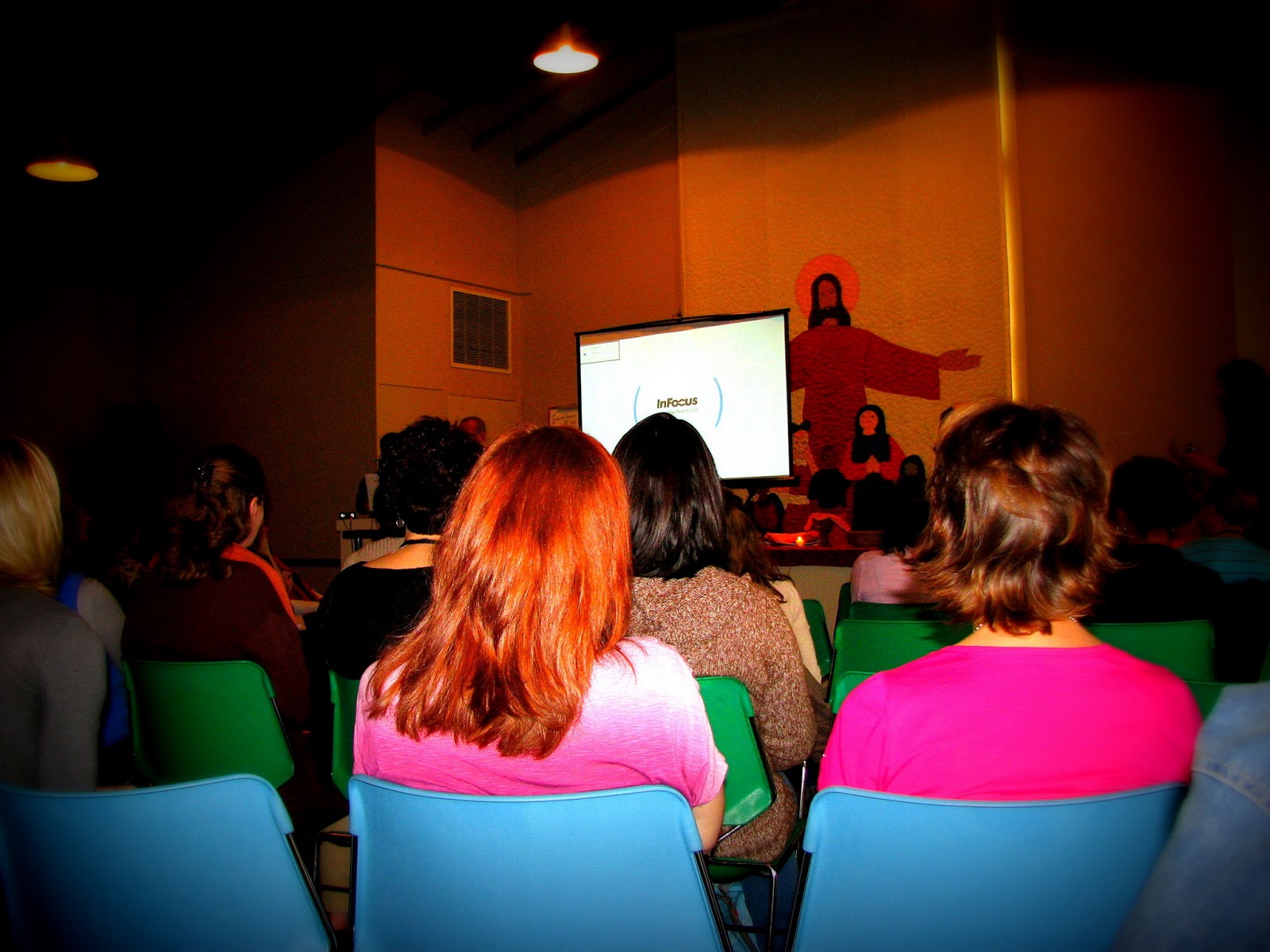
I leave you with a poem, as it still is National Poetry Month. And some photo highlights of the weekend.
 
Jesus
Undergirding with love
Many
Precious sisters and brothers
In
Nebraska.
Growing us . . .
 
Teaching us . . .
Affirming our dreams . . .
Nudging us closer to the BIGGEST
Dream of all:
Entering His
Marvelous presence,
 
Together . . .
Hearts
Embracing
 
Redemption.
Every moment
Trusting and
Recalling and
Enjoying and
Awakening
True love.


Linking up with:


Eastering by Lynn D. Morrissey {Guest Post}

 
I am honored to have Lynn D. Morrissey with us today, sharing a Lenten reflection from her rich archives. Lynn sings with her pen. She has composed a beautiful paean to laud our Beloved Jesus as we approach the triumph of Easter.
 
 
“Let him Easter in us, be a dayspring to the dimness of us, be a crimson-cresseted east.” ―Gerard Manley Hopkins
 
 “For behold, the winter is past, the rain is over and gone. The flowers have already blossomed and have given forth their fragrance. Arise, . . . and come away!” ¾Song of Solomon
 
 
The winter is officially past. Spring has come, and our daughter is off from school on her spring break. My family and I have “come away” from city life, and we celebrate spring’s arrival with time together at our cozy cabin-in-the-woods. Nonetheless, it still looks and feels like winter.
 
A riotous rain has hurriedly come and gone. After waiting for the downpour to end, my husband Michael, daughter Sheridan, and pit Poodle Chevy, as we affectionately call him, have gone for a ramble in the crisp, cold woods.
 
I have already ventured outside earlier this morning, chilled to the bone, on a walk by the wind-whipped lake. I prefer now to cloister inside the heated cabin and watchthe woods from my ringside seat behind a window¾my window on the world, the world awaiting the transition from winter to spring, from death to life.
 
All is dun-dulled: The trees’ mostly leafless limbs weave a wintry web of browns, grays, camels, charcoals, crisscrossed against the pewter-rinsed sky. Fallen leaves, crumbled and lifeless, spread a crushed carpet of decay across the dampened earth. A few forlorn leaves, pitifully shriveled, shockingly petrified, still cling to branches, as if they had refused to let go and die a graceful death.
 
How can it possibly be spring, with death hovering everywhere?
 
But then, I turn my glance. I’m startled by a sunburst of brilliant yellow piercing the dimness. Jaunty jonquils, like lemon-licked pinwheels, twirl in the breeze. Beyond them, neon-brass forsythias bloom brazenly, as if just daring the remnants of winter to remain one second longer. The flowers have at long last bloomed, proof that spring is really here, that the earth is ethereally Eastering.
 
The juxtaposition staggers me: stark death and stunning life. Their paradox penetrates me to the core. Death surrenders to life. Death is not the end. It doesn’t have the final, awful word. But also, paradoxically, death must reign before life triumphs.
 
Yet does life triumph in me? Am I allowing God to Easter me? Am I among the living dead, filled with self, or am I brimming with life, *His* life? Is my heart winter-gray, flawed with sin and mediocrity, or Son-shine yellow, flooded with the dayspring light of Christ’s purity and purpose?
 
Too often death reigns in me. I don’t permit life’s triumph. I am wretched. I am bound. Will I never be set free?
 
But then . . . I turn my glance. I’m startled by the Sonburst shattering of a stone-sealed tomb. He has risen. Jesus lives. Jesus lives in me!
 
And I live in Him. He says, “Behold . . . the winter is past, the rain is over and gone. Eternal spring has come.”
 
He says, “Arise!” And I arise. And by His strength I come away. I come away and set my heart on heavenly things. I come away and turn my glance, turn it Sonward toward the crimson-cresseted East.
 
(Copyright 2013. All Rights Reserved. Lynn D. Morrissey)
 
 
Lynn D. Morrissey, is a Certified Journal Facilitator (CJF), founder of Heartsight Journaling, a ministry for reflective journal-writing, author of Love Letters to God: Deeper Intimacy through Written Prayer and other books, contributor to numerous bestsellers, an AWSA and CLASS speaker, and professional soloist. She and her beloved husband, Michael, have been married since 1975 and have a college-age daughter, Sheridan. They live in St. Louis, Missouri.
You may contact Lynn at words@brick.net.
Please feel to comment on this post, as she will be checking comments. As all writers do, she appreciates feedback and your responses to her work.